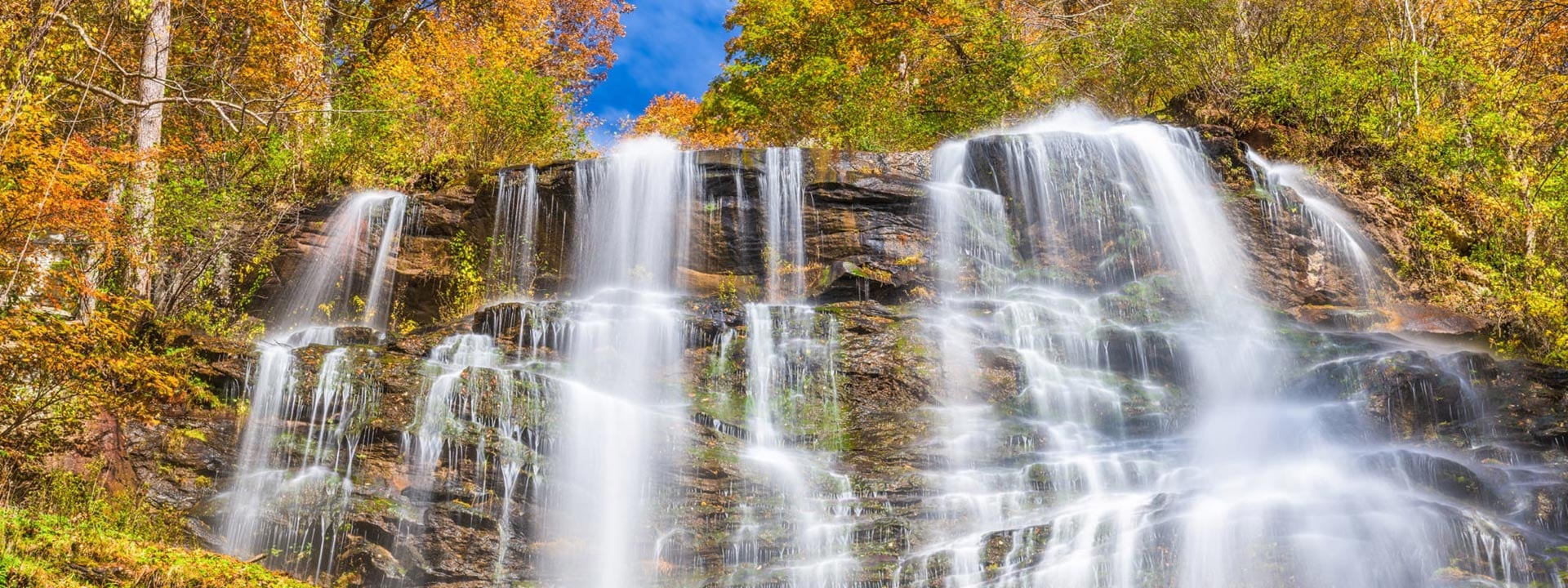
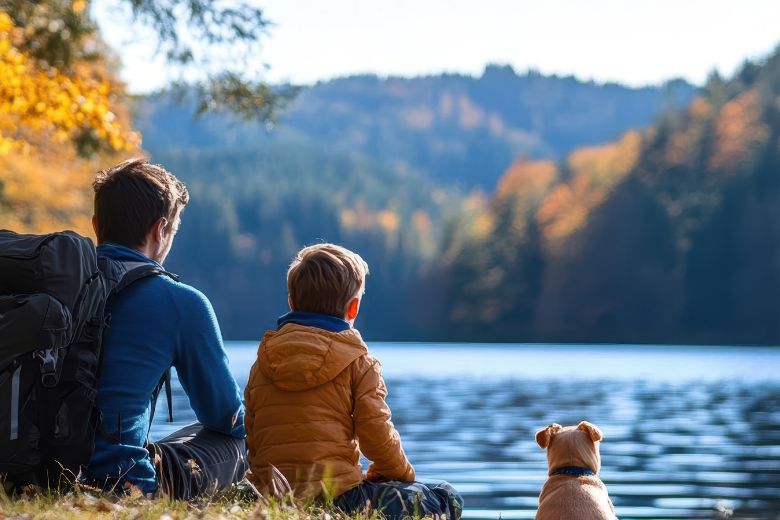
Blue Ridge may be a small North Georgia mountain town, but there is plenty to discover here. From the Blue Ridge Scenic Railway and Lake Blue Ridge to trout streams, orchards, hiking trails and a walkable downtown, the area offers much more than a quiet cabin getaway.
Couples can plan a relaxing weekend with wine tasting and mountain views. Families can build a trip around train rides, orchards, tubing and easy trails. Outdoor travelers can use Blue Ridge as a base for exploring the Chattahoochee National Forest, the Toccoa River and nearby Appalachian Trail access.
Blue Ridge, Georgia, at a Glance
- Location: Fannin County in the North Georgia mountains
- Population: 1,253 residents according to the 2020 Census
- Known for: The Blue Ridge Scenic Railway, Lake Blue Ridge, mountain cabins, trout fishing, hiking and orchards
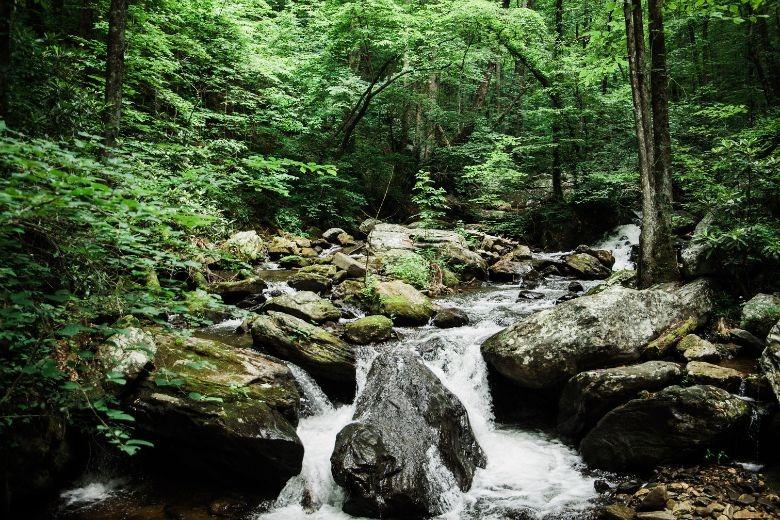
- Outdoor access: The Fannin County Chamber of Commerce and Tourism Office highlights 106,000 acres of Chattahoochee National Forest, 300 miles of hiking trails and 100 miles of trout streams in the area.
- Helpful resource: The North Georgia vacation guide
What Makes Blue Ridge, Georgia, Worth Visiting?
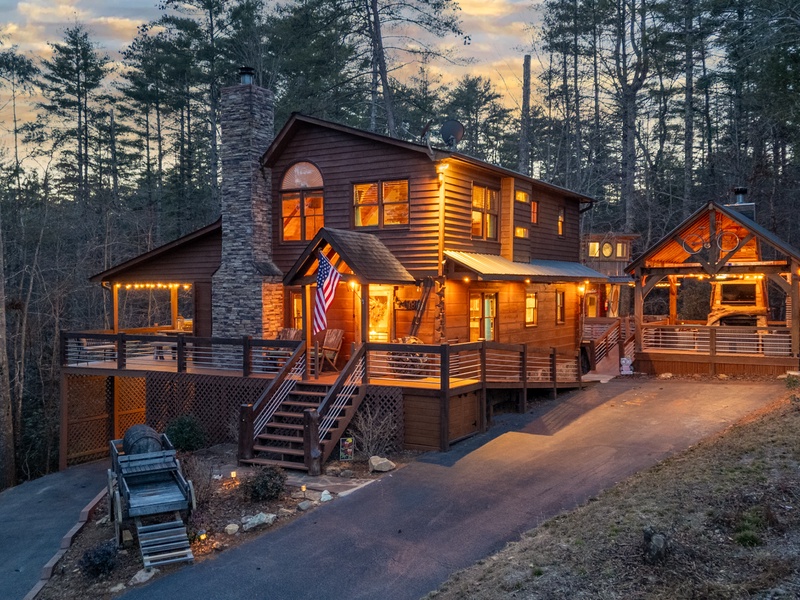
Blue Ridge is worth visiting because it gives travelers a classic mountain-town experience without feeling like a one-note destination. You can ride a historic railway in the morning, shop downtown in the afternoon, watch the sun drop over the lake and then return to a cabin tucked into the trees.
One of the best things about Blue Ridge is how flexible it is. You can plan an active outdoor vacation, a food-and-shopping weekend, a romantic escape or a family trip without traveling far between experiences. Your cabin location can shape your stay, so decide whether downtown convenience, mountain views, river access or lake proximity matters most before you book.
7 Fun Facts and Things to Know Before You Visit
These Blue Ridge fun facts and practical tips will help you plan a trip that feels smoother, less rushed and more memorable.
1. The Railroad Helped Shape the Town
Blue Ridge's story is closely tied to the railroad. The original tracks reached the area in 1886, and today's passenger excursions follow a 26-mile round-trip route from Blue Ridge to McCaysville, Georgia, near Copperhill, Tennessee.
That makes the train more than a tourist attraction. It is one of the easiest ways to understand why the town grew where it did and why the depot still anchors downtown. Check schedules, ticket availability and seasonal rides through the Blue Ridge Scenic Railway before your visit.
2. Lake Blue Ridge Is Bigger Than It Looks From Town
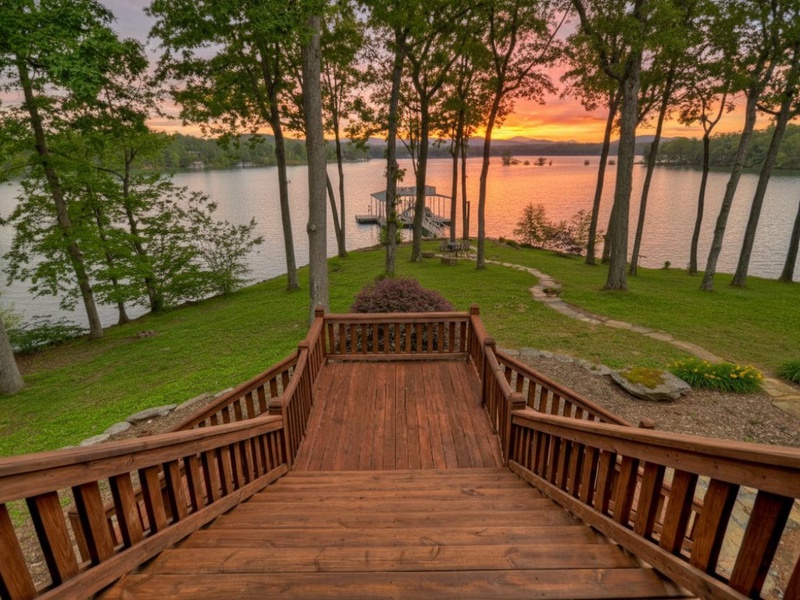
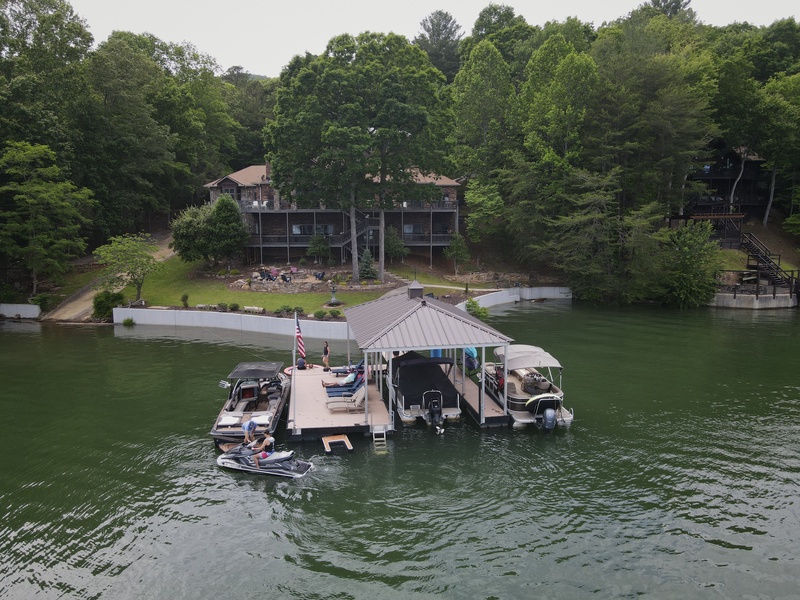
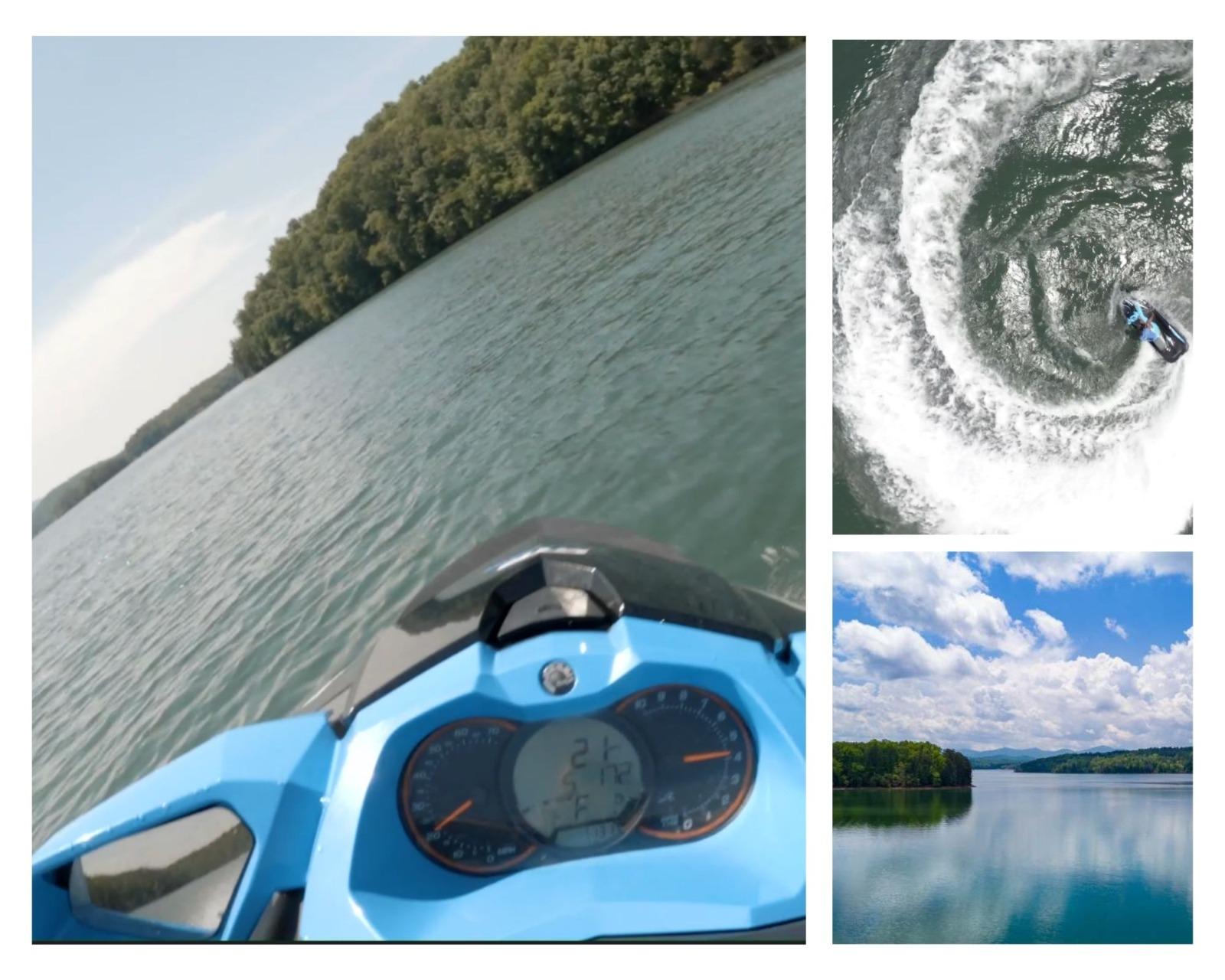
Lake Blue Ridge, also called Blue Ridge Reservoir, sits on the Toccoa River and stretches 11 miles southeast from Blue Ridge Dam. According to the Tennessee Valley Authority, the dam was completed in 1930 and helps provide recreation, hydropower and flood storage.
For visitors, the practical takeaway is simple: plan lake time intentionally. If you want boating, paddling, swimming or sunrise coffee near the water, explore Lake Blue Ridge cabin rentals early, especially for warm-weather weekends.
3. The Appalachian Trail Begins Nearby
One of North Georgia's most interesting hiking facts is that the Appalachian Trail's southern terminus is at Springer Mountain. The Appalachian Trail Conservancy describes the Springer Mountain hike as a two-mile route to the trail's southern terminus and notes that the forest roads leading to the trailhead may be rough or affected by wet or winter weather.
You do not have to be a thru-hiker to enjoy the area. Even a short hike can give you a feel for the landscape that draws long-distance hikers north toward Maine. Check current trail and road conditions with the Chattahoochee-Oconee National Forests before heading out.
4. Downtown Is Compact, but Weekends Get Busy
Downtown Blue Ridge is one of the reasons the town appears on so many lists of Georgia vacation destinations. The Scenic Railway, shops, galleries, breweries, wineries and restaurants create a lively atmosphere within a relatively small area.
If you are visiting during fall color season, a holiday or a festival weekend, build in extra time for parking, meals and browsing. Reservations are helpful for popular restaurants, and a slower pace suits Blue Ridge better than a packed checklist.
5. Mercier Orchards Is a Year-Round Favorite
Mercier Orchards is a fourth-generation family farm in Blue Ridge that was founded in 1943. The farm includes a market, bakery, café, winery and seasonal U-pick events, making it a popular stop for families and food-focused travelers.
Apple season gets most of the attention, but the orchard can be worth visiting beyond fall. Check current hours, weather policies and picking availability directly with Mercier Orchards before you go.
6. Water Is Part of the Local Rhythm
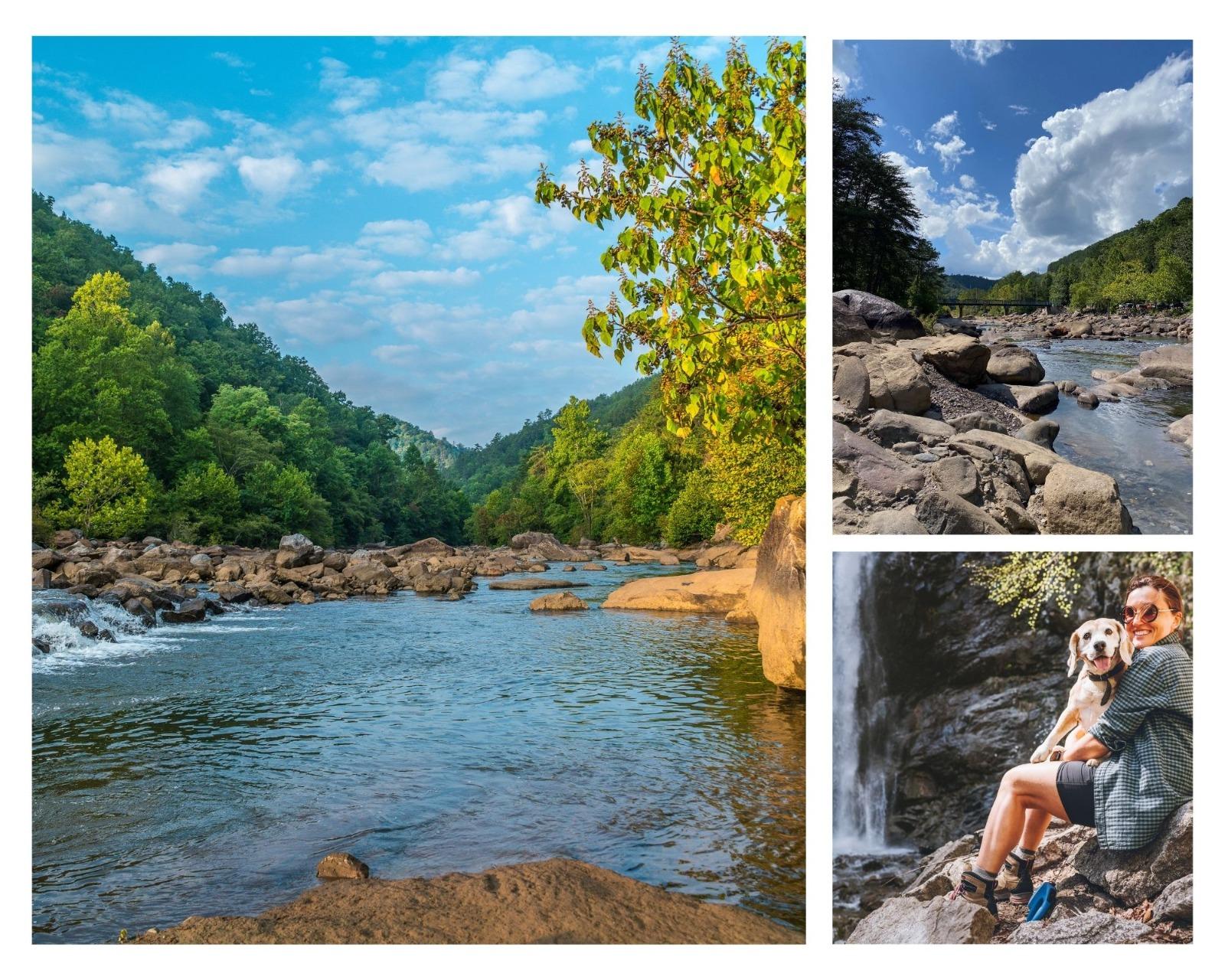
The Toccoa River, Lake Blue Ridge and mountain creeks shape many Blue Ridge itineraries. Fishing, tubing, paddling and scenic drives can all depend on water levels, weather and seasonal conditions.
If your trip centers on the river or lake, check conditions before committing to a specific activity. The Tennessee Valley Authority is especially useful for Lake Blue Ridge information, while local outfitters can help with activity timing and safety.
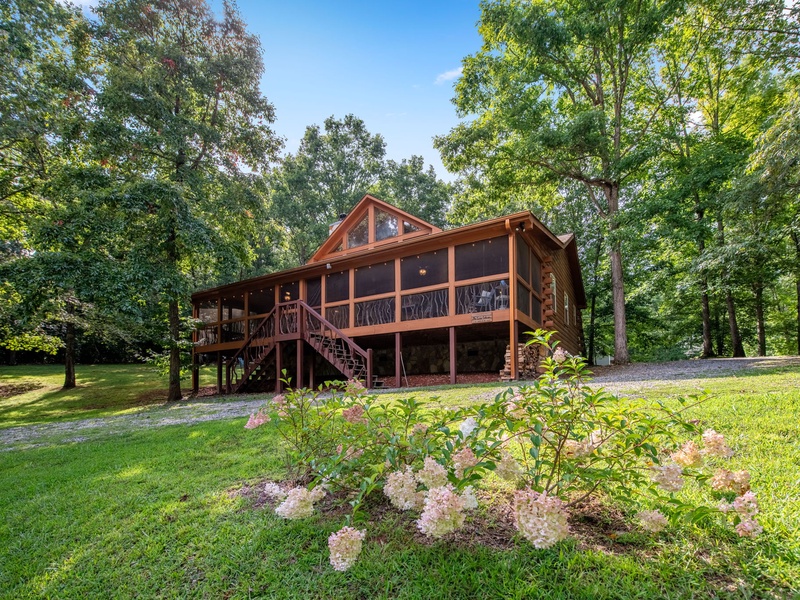
7. Cabins Are Part of the Experience
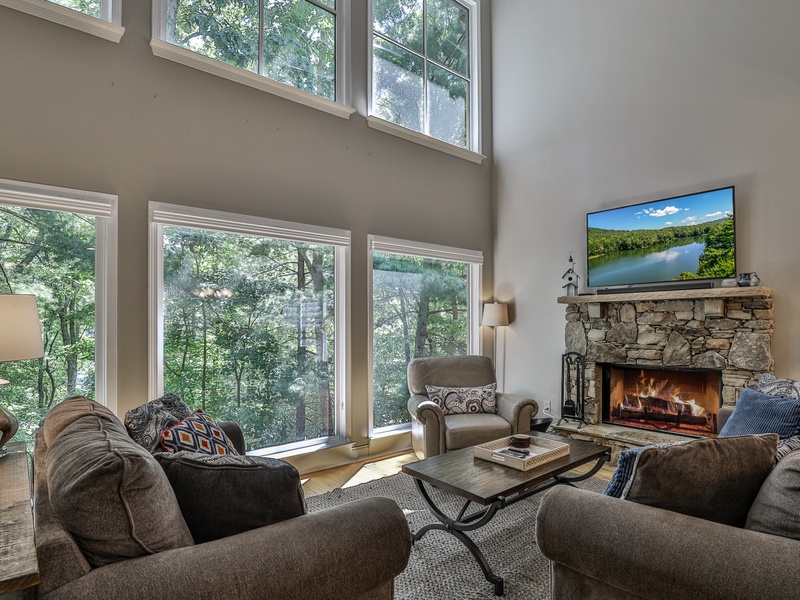
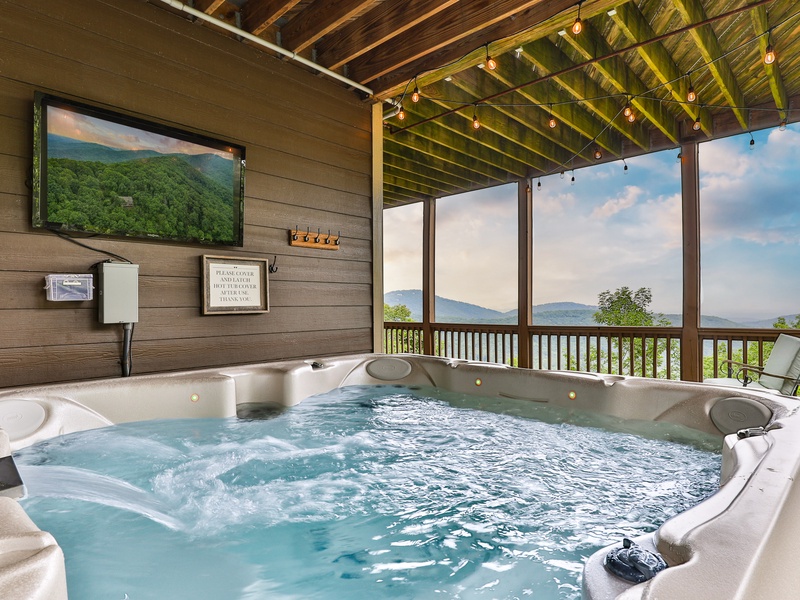
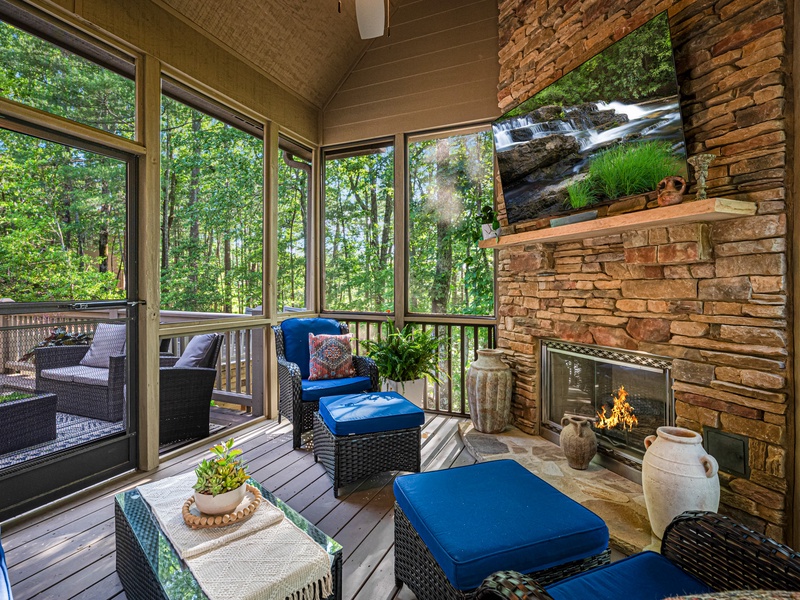
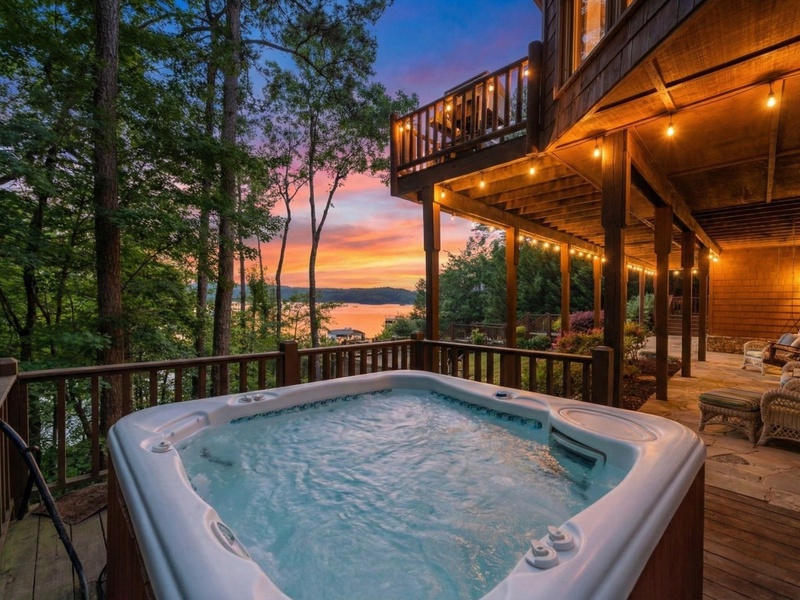
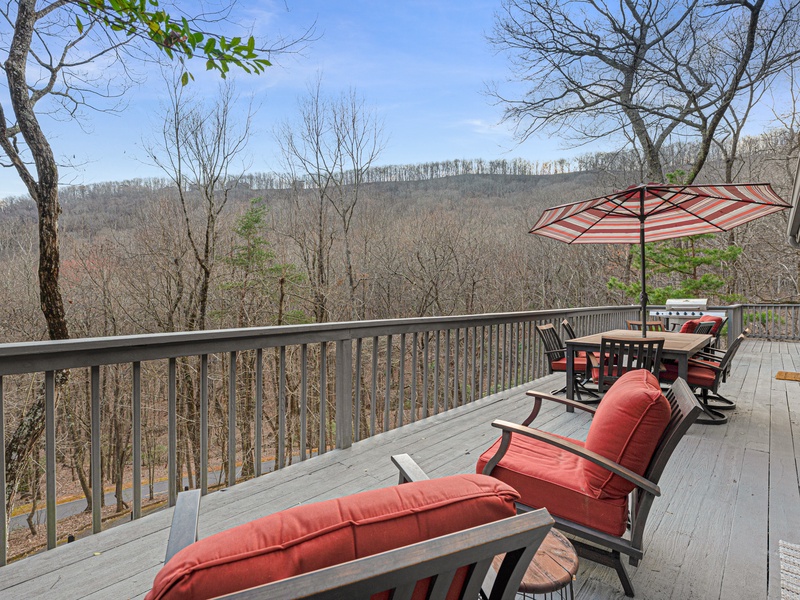
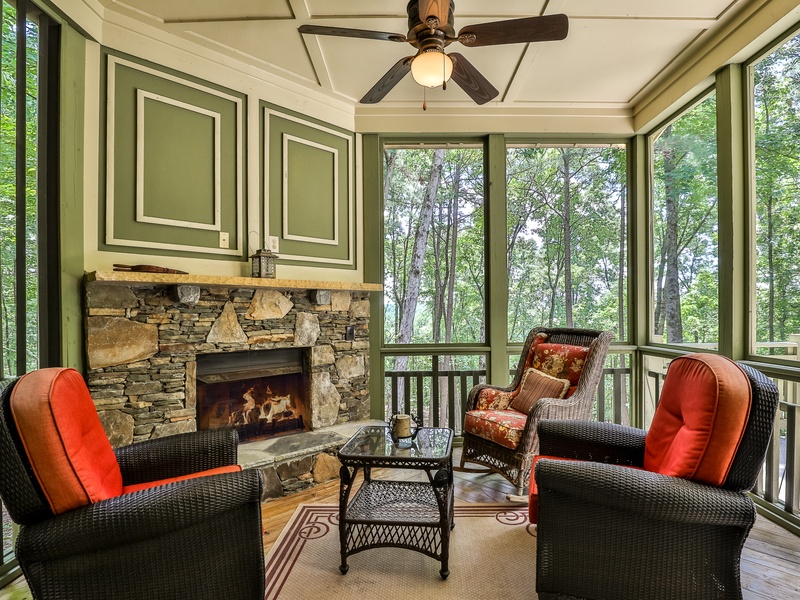
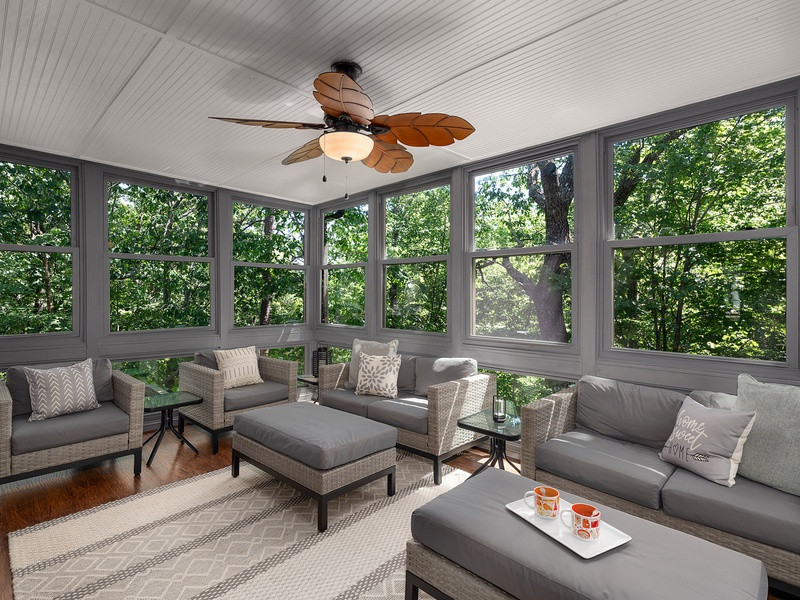
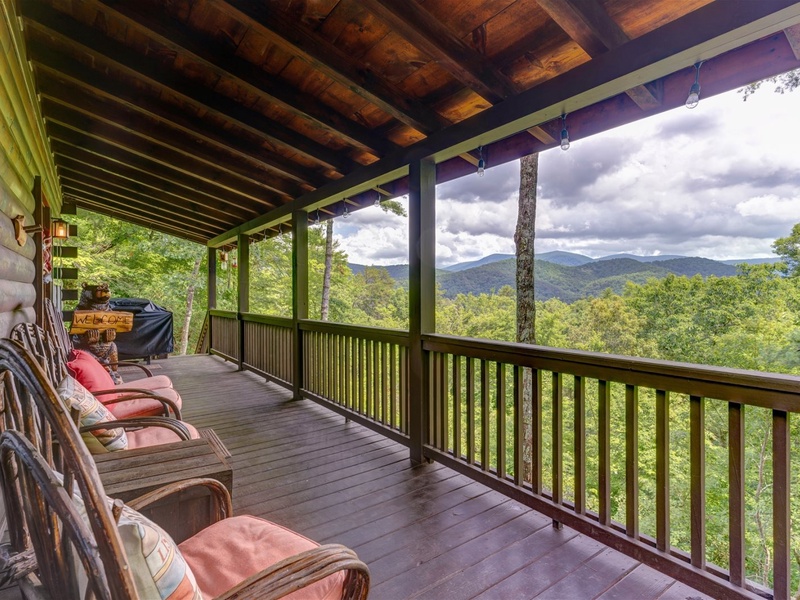
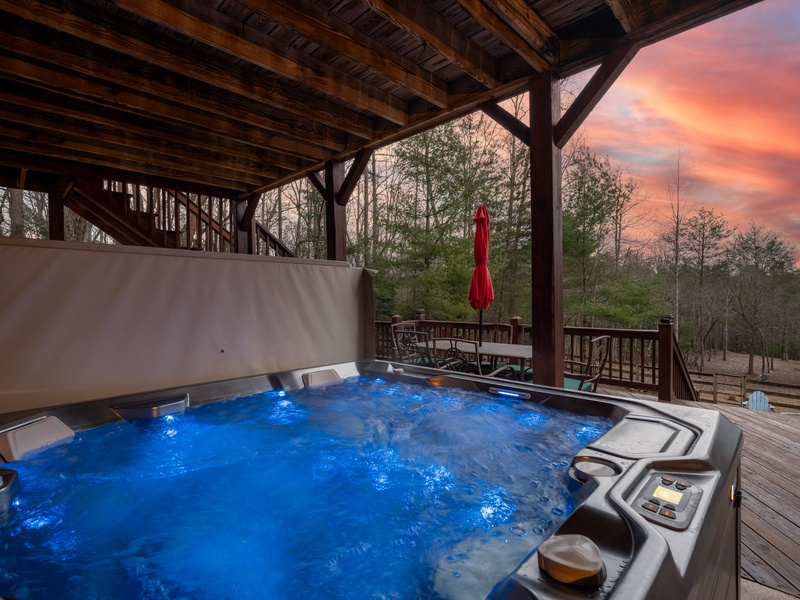
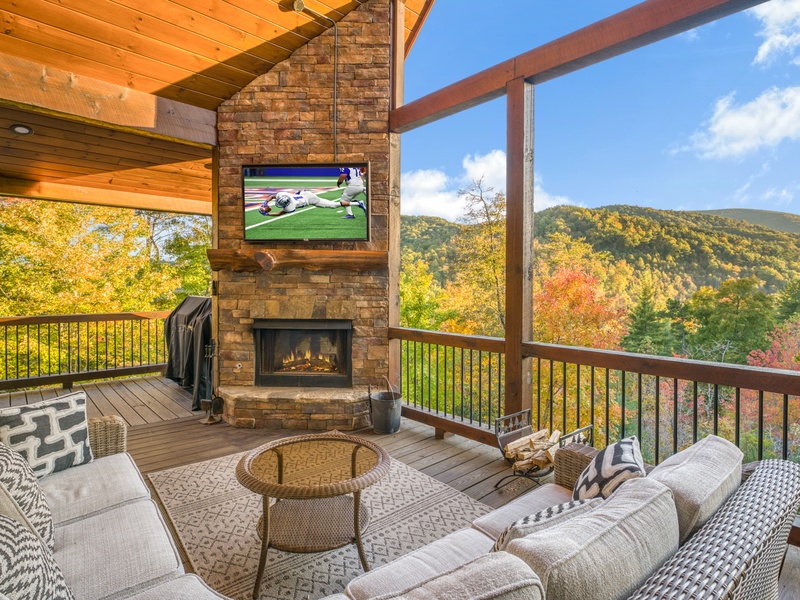
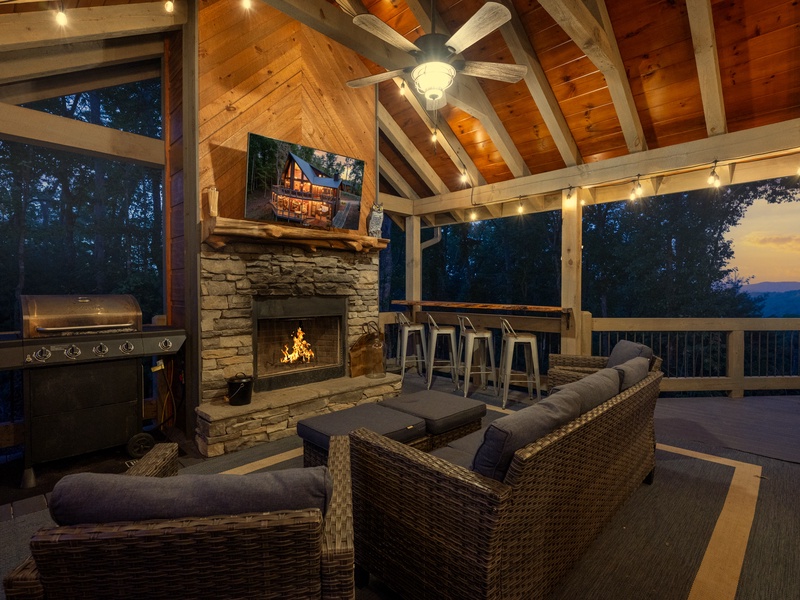
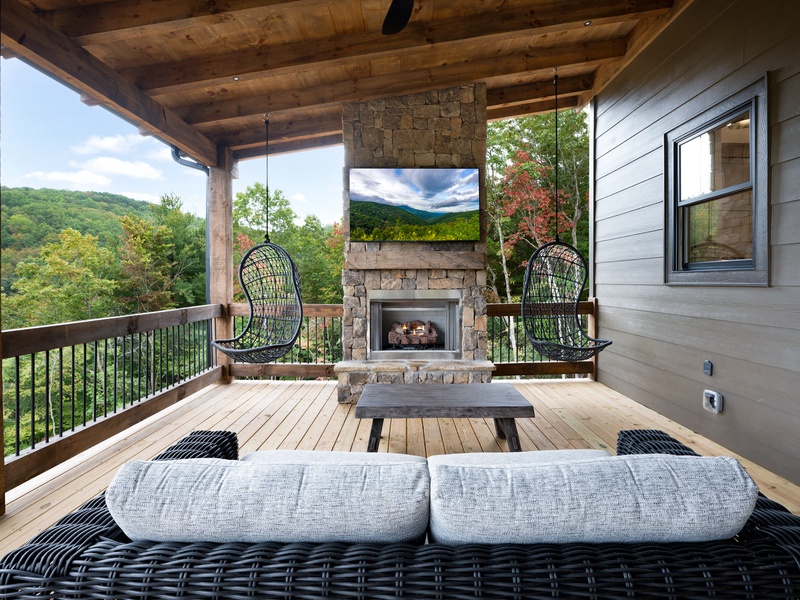
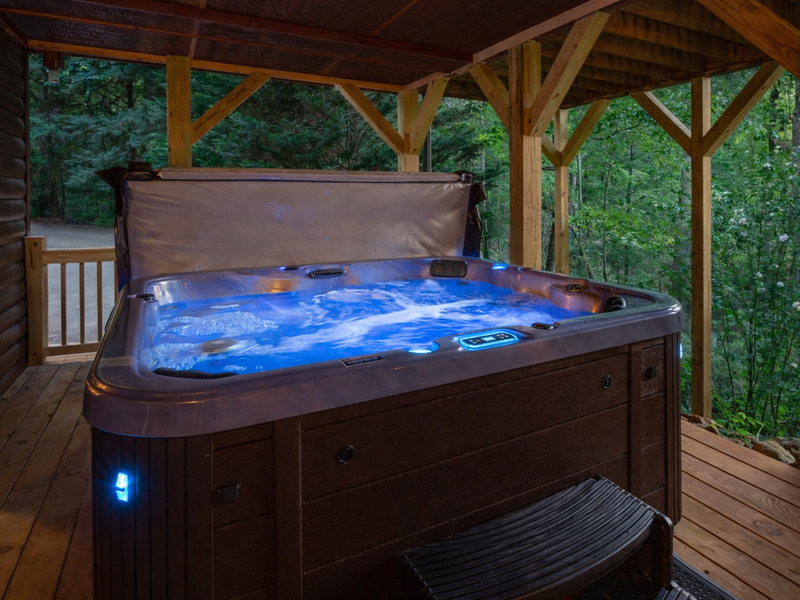
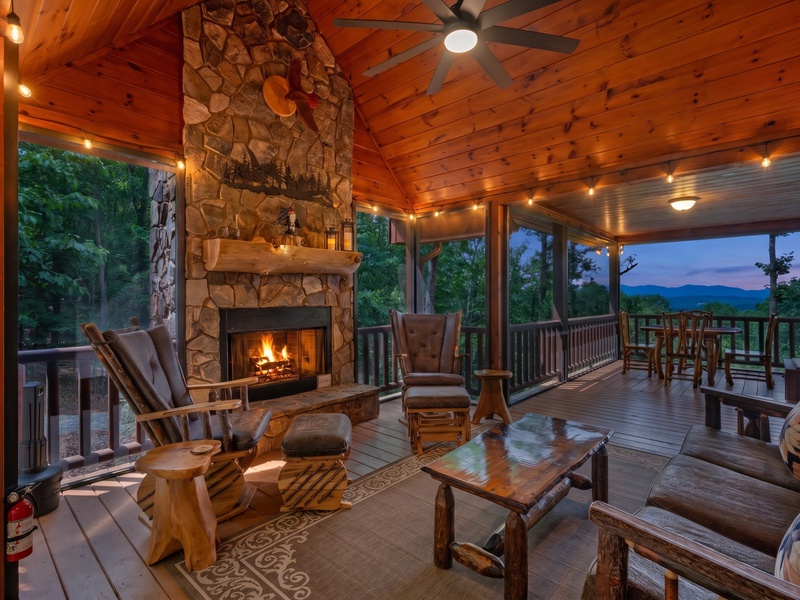
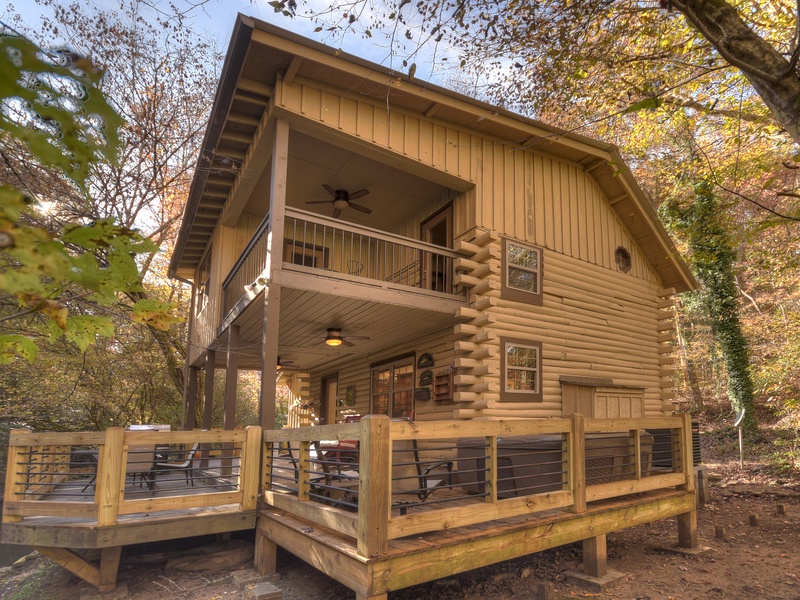
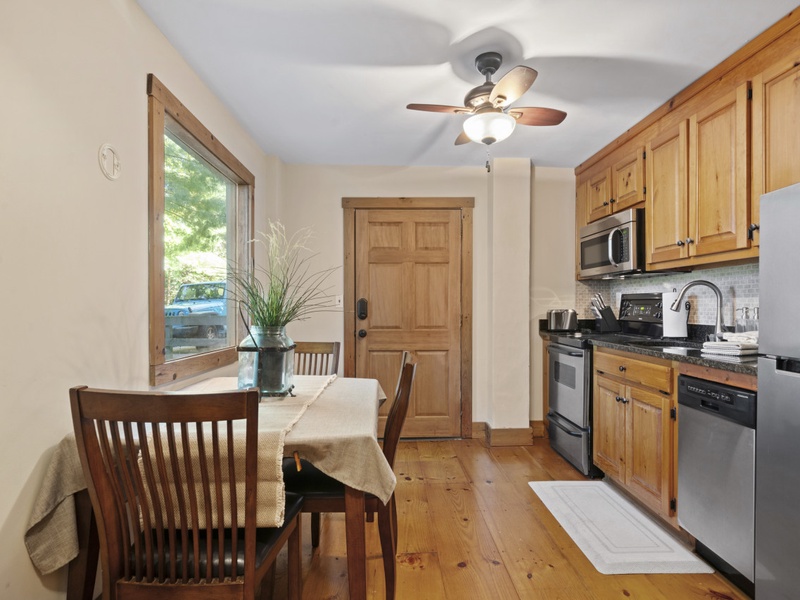
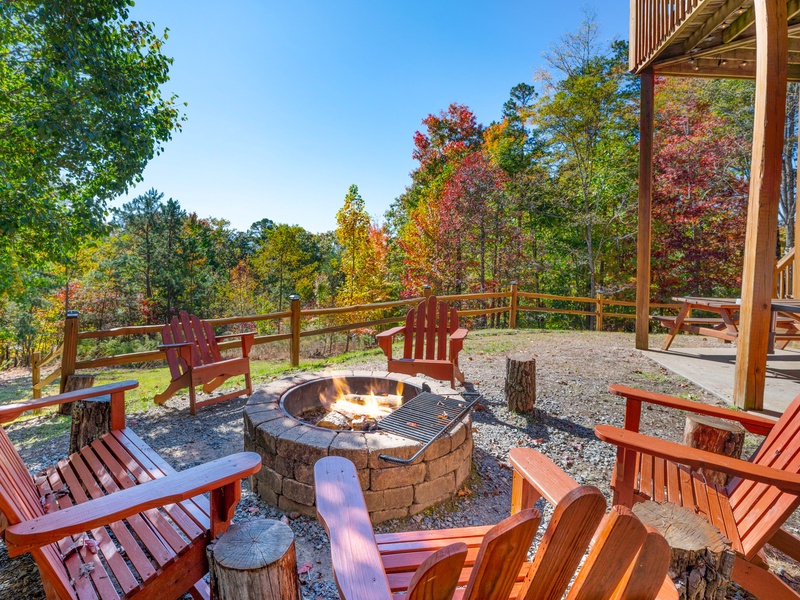
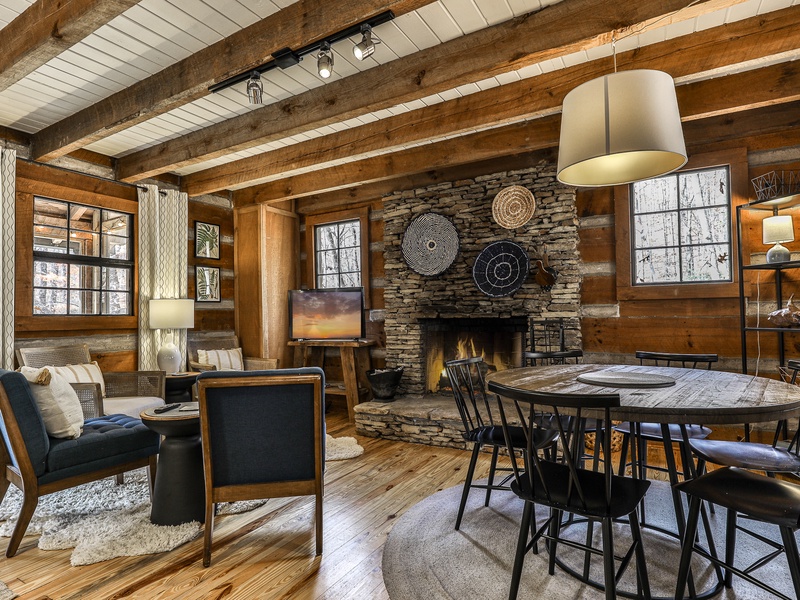
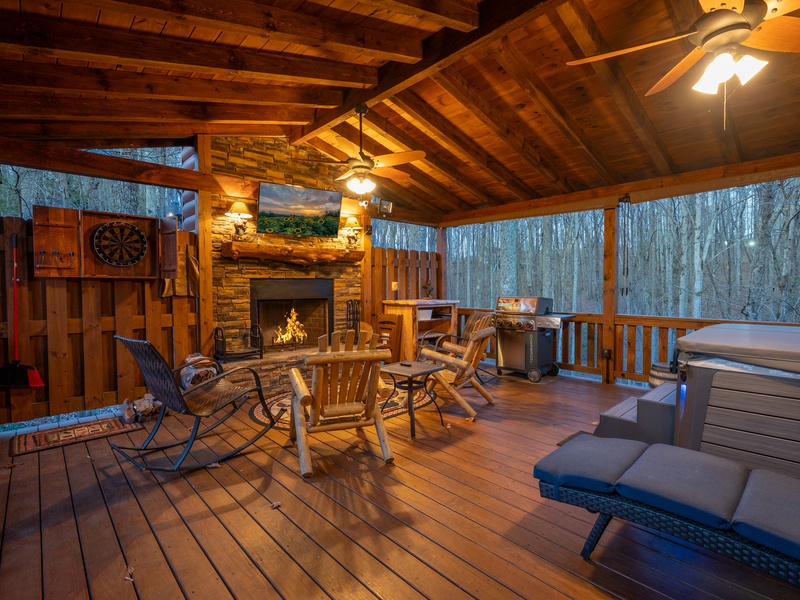
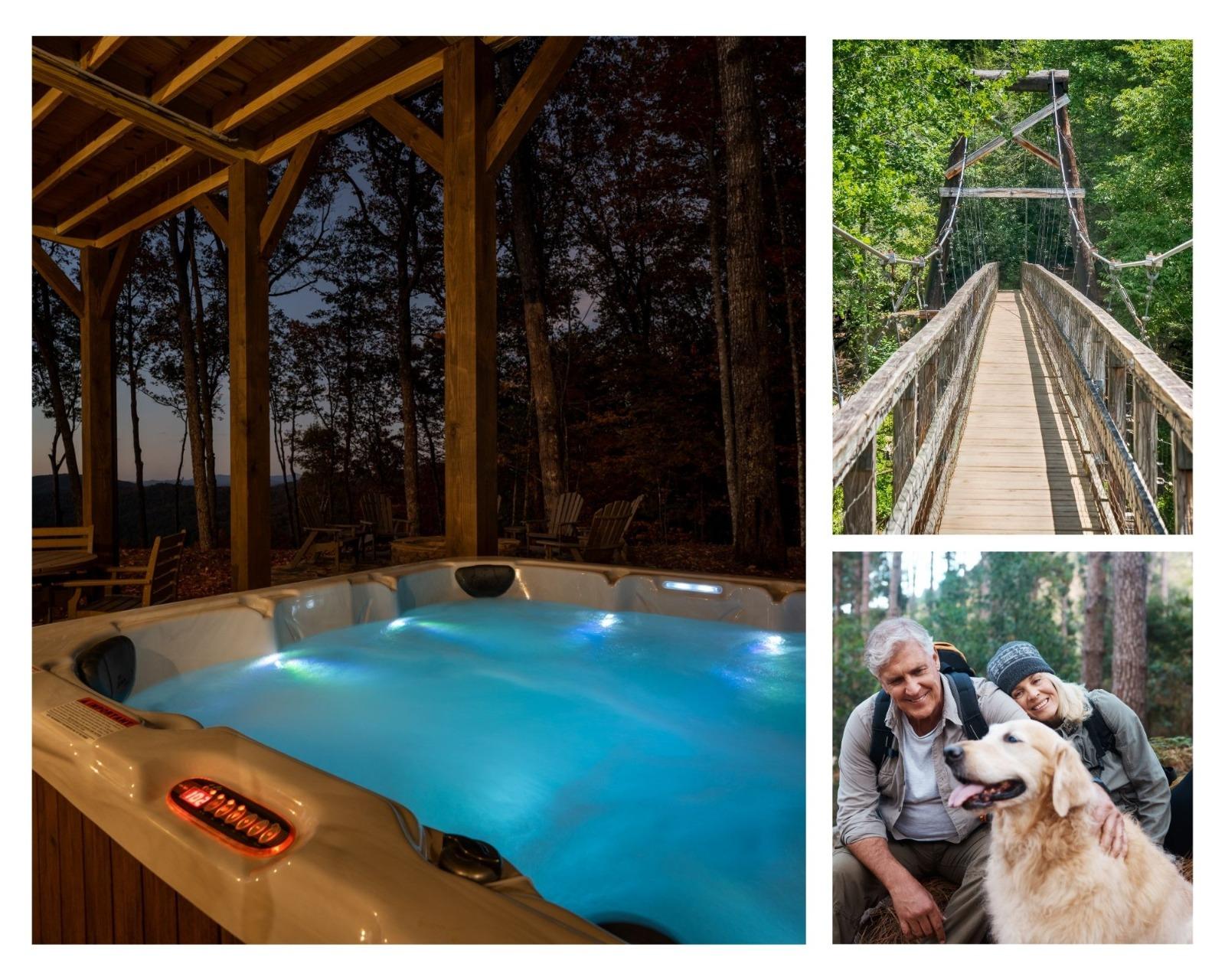
In Blue Ridge, lodging often feels like part of the vacation rather than simply a place to sleep. Mountain-view decks, fireplaces, hot tubs, pet-friendly layouts and lake access can change the entire mood of a trip.
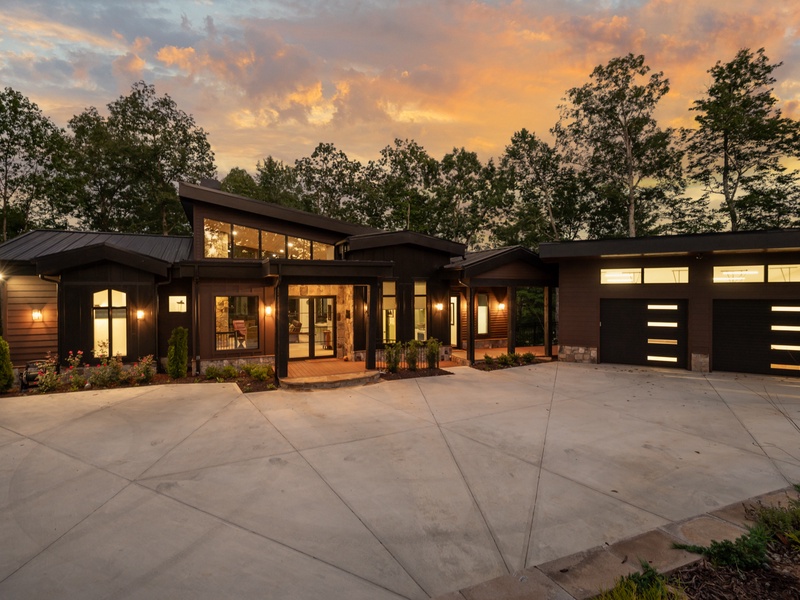
If you want privacy, beautiful views and convenient access to area attractions, explore Blue Ridge cabin rentals before finalizing your dates. You can also compare pet-friendly cabins, cabins with hot tubs and other North Georgia cabins that make a comfortable home base for hiking, train rides and lake weekends.
When Is the Best Time to Visit Blue Ridge?
The best time to visit Blue Ridge depends on the trip you want. Spring is ideal for mild hiking weather and fresh greenery, summer favors lake and river activities, fall brings mountain color and orchard season, and winter is perfect for quieter cabin weekends. Each season has a different personality, so your lodging and activities should match the pace you want.
Fall is the most iconic season, but it can also be the busiest. If you prefer fewer crowds, consider weekdays, shoulder-season dates or a winter stay centered around scenic drives, downtown dining and time at the cabin.
A Simple Blue Ridge Trip-Planning Checklist
- Choose your base first: Decide whether you want downtown convenience, mountain views, river access or lake proximity.
- Reserve key activities early: Train rides, popular restaurants and prime cabins can book up during busy seasons.
- Check outdoor conditions: Trails, forest roads, lake levels and U-pick availability can change with the weather.
- Pack layers: Mountain weather can shift quickly, especially near the water or at higher elevations.
- Leave open time: Some of the best moments happen between plans, whether you find a scenic overlook, stop at a bakery or take an unhurried walk downtown.
Plan Your Blue Ridge Getaway
Blue Ridge may be a small city, but its railroad history, lake access, orchard traditions and outdoor adventures give travelers plenty of reasons to return. Whether you are planning a romantic weekend, a family escape or a hiking-focused getaway, build your trip around the experiences that matter most to you.
Ready to experience Blue Ridge for yourself? Explore our Blue Ridge cabin rentals and find a mountain getaway close to the Scenic Railway, hiking trails, Lake Blue Ridge and the places you most want to visit. Book directly with Southern Comfort Cabin Rentals for local service and a wide selection of North Georgia cabins.
 6
6
 6
6
 17
17